
Most businesses don't have a positioning problem because they picked the wrong colors or wrote a bad tagline. They have a positioning problem because no one can explain what makes them different, including the people running the company. That's exactly where brand positioning services come in: to define, sharpen, and communicate a market position that actually sticks with the people you're trying to reach.
But "brand positioning" has become one of those terms that means everything and nothing at the same time. Some agencies sell it as a logo refresh. Others bury it inside a six-month branding engagement that costs six figures before you see a single deliverable. If you're a founder or business owner trying to figure out what you're actually buying, and whether it's worth it, you need clarity before you sign anything.
This article breaks down what brand positioning services include, what the process typically looks like, and what you should expect to walk away with. At SocialRevver, we see the downstream effects of positioning every day. Our content systems are built to amplify authority and drive inbound attention, but that engine runs on fuel, and the fuel is a clear, differentiated brand position. Without it, even the best content strategy stalls. So whether you end up working with a dedicated positioning strategist or handling it internally, understanding what good looks like will save you time, money, and a lot of wasted effort.
What brand positioning services are
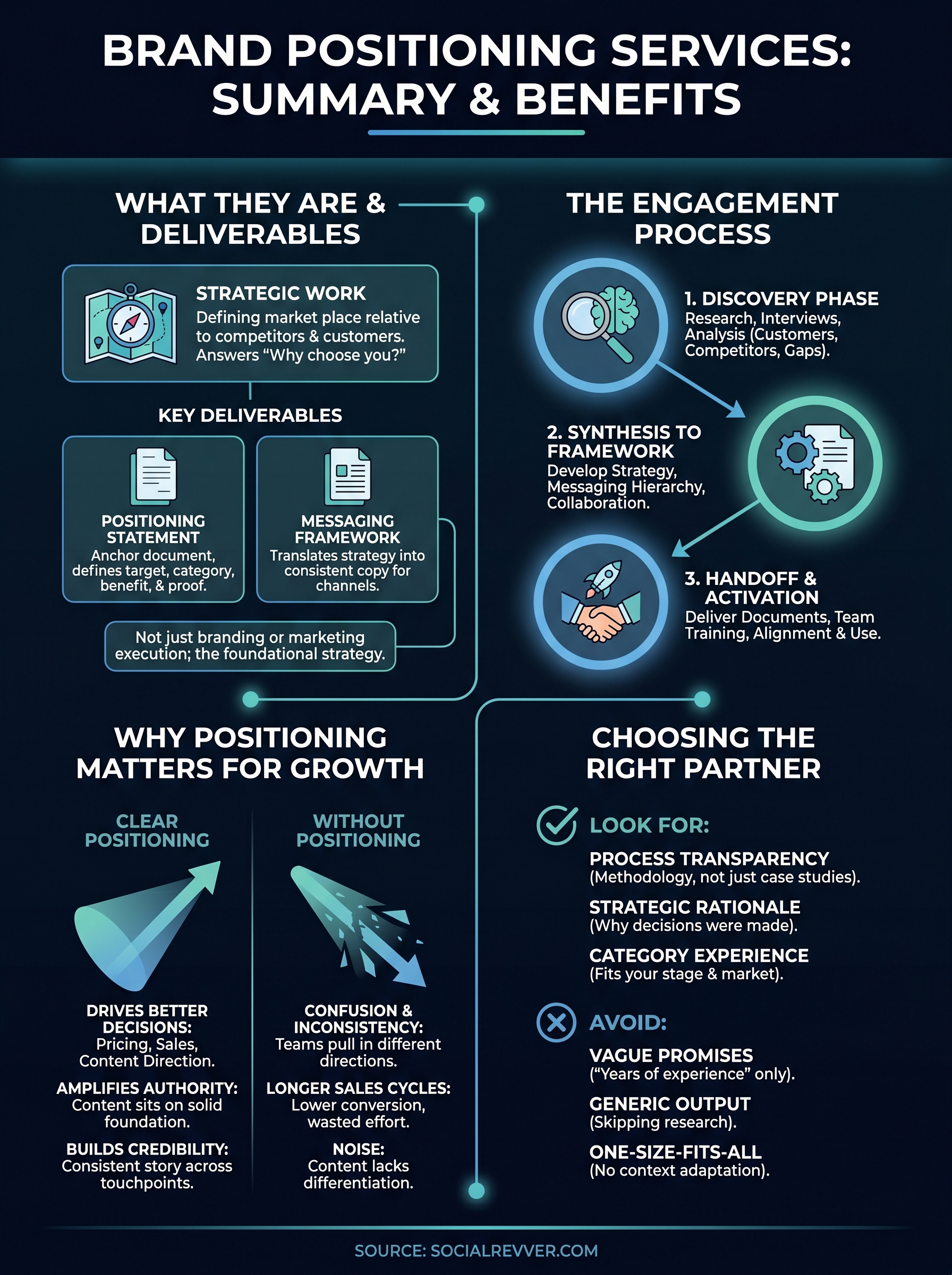
Brand positioning is the strategic work of defining where your brand sits in the market relative to competitors and, more importantly, in the minds of your target customers. It answers a specific question: why should someone choose you over every other option available to them? Brand positioning services are the structured process, usually delivered by an agency, strategist, or consultancy, that helps you answer that question with precision and then builds the frameworks to communicate it consistently across every channel.
The core components of positioning work
Most positioning engagements cover the same fundamental ground, even if the terminology varies by agency. You start with market and competitor analysis: who else is competing for the same customers, what promises they're making, and where the real gaps are. From there, the work moves into customer research, which typically involves interviews, surveys, or behavioral data to understand what your audience actually values, not what you assume they value.
The gap between what a business thinks it stands for and what customers actually perceive is usually where positioning problems begin.
Once the research phase wraps, the positioning work shifts to synthesis. A strategist takes the data and builds a positioning statement or framework that captures your unique value, your target customer, and the key differentiator that separates you from alternatives. That framework then informs everything from your messaging hierarchy to how you present on a sales call.
What positioning is not
It helps to be clear about what positioning work does not include, because a lot of agencies blur the line. Positioning is not branding in the visual sense. Logo design, color palettes, and typography are expressions of a position, but they are not the position itself. You can redesign your entire visual identity and still have a positioning problem if the underlying strategy is unclear or undifferentiated.
Positioning is also not marketing execution. Writing ads, producing content, or running campaigns are downstream activities that depend on a solid position to work effectively. If you hire an agency to run paid social without a defined position, you amplify confusion at scale rather than clarity. The two disciplines are connected, but they operate at different levels of strategy and in a specific sequence, positioning first, execution second.
What the actual deliverables look like
When you engage a firm for brand positioning services, the tangible outputs vary, but most engagements produce a set of core documents. A positioning statement is the anchor: a concise internal document that defines your target customer, the category you compete in, your key benefit, and the proof behind it. Many engagements also produce a messaging framework, which translates the positioning statement into copy guidance for different channels and audiences.
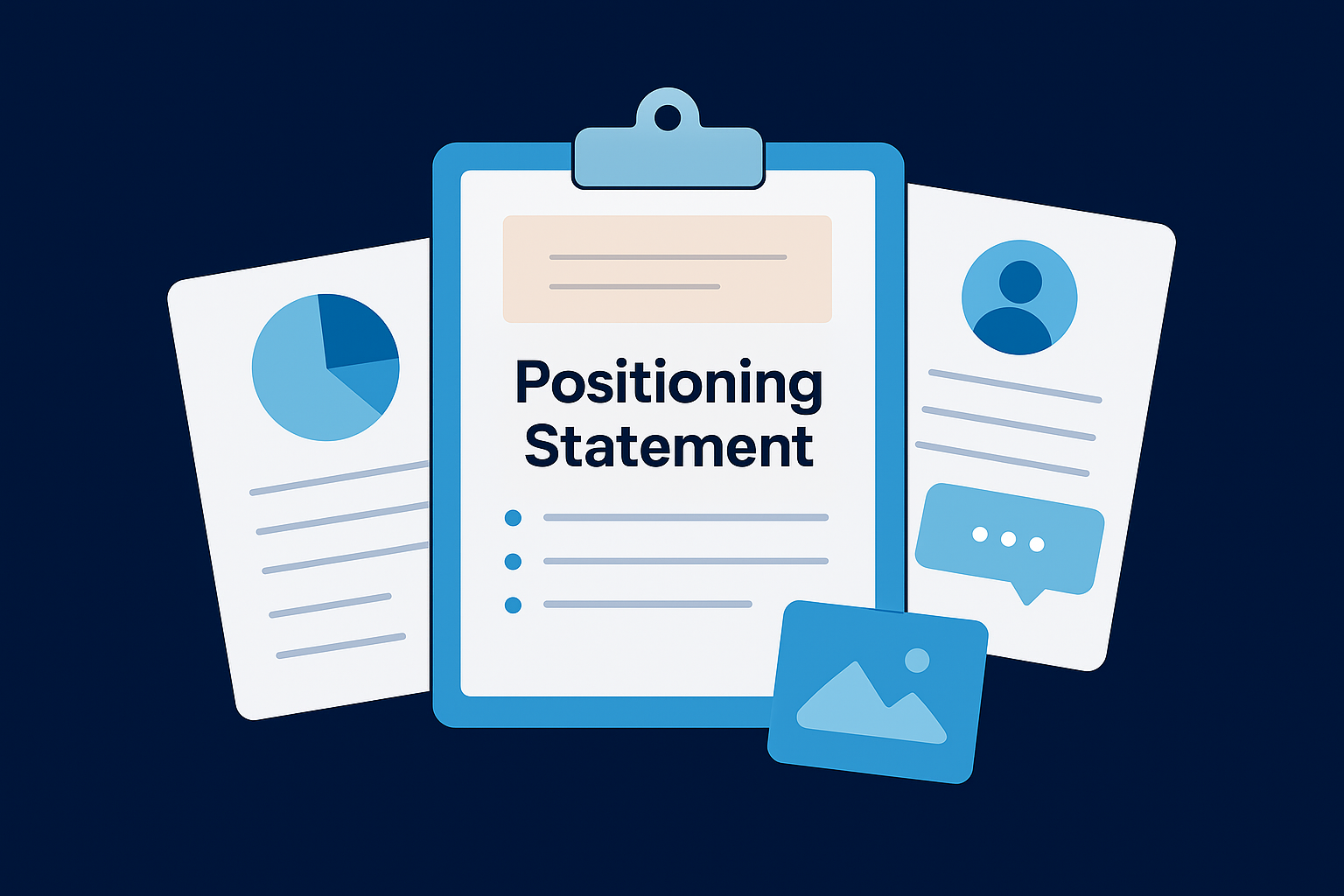
Some firms go further and deliver competitive analysis reports, audience persona documents, or brand voice guidelines. The depth of the deliverable set usually reflects the scope and price of the engagement. Regardless of format, the goal is always the same: you leave with a clear, documented point of view on where your brand stands and why that position is defensible in your specific market.
Why brand positioning matters for growth
Growth without a defined position is unpredictable. When you can't clearly articulate your differentiator, your marketing, sales, and content all pull in different directions, and customers feel that inconsistency even if they can't name it. The result is longer sales cycles, lower conversion rates, and a brand that generates awareness but not the kind of conviction that converts.
Clear positioning drives better decisions
Every business decision your team makes, from pricing to hiring, is either aligned with a position or quietly working against one. When your market position is clearly defined, it acts as a filter. You know which opportunities fit your brand and which ones dilute your focus. Without that filter, you say yes to the wrong clients, chase the wrong markets, and build messaging that tries to appeal to everyone but resonates with no one. Brand positioning services exist to create that clarity before the confusion compounds into a real competitive disadvantage.
A clear position shapes decisions across multiple areas:
- Pricing: You can defend a premium when your differentiation is specific and real.
- Sales conversations: Your team delivers a consistent story rather than a different pitch for every prospect.
- Content direction: Every piece reinforces the same core narrative instead of pulling against itself.
The clearest sign that a business needs positioning work is when two people on the same team describe the company differently to a stranger.
Positioning is the foundation your content sits on
Content without a position is noise. If you're investing in short-form video, paid social, or SEO, those channels only generate compounding returns when the underlying message is consistent and differentiated. Engagement comes from content that makes a specific person feel like it was built for them, and that specificity requires a clear audience definition and a [unique value proposition](https://www.socialrevver.com/blog/brand-storytelling-agency).
Once your position is set, your content team can work faster and produce stronger material because the strategic decisions are already resolved. They know who they're speaking to, what that person values, and what separates your brand from every alternative in the feed. Removing that guesswork means fewer revisions, more consistent output, and content that builds real authority over time.
What you get from brand positioning services
When you invest in brand positioning services, you're buying more than a document. You're buying a set of strategic decisions that your team doesn't have to relitigate every time someone writes a headline or builds a sales deck. The outputs are concrete, and the best engagements make sure you own the work rather than depend on the agency to interpret it for you.
The core documents
Most positioning engagements deliver a positioning statement as the anchor deliverable. This is an internal document, not a tagline, that defines your target customer, the category you compete in, your primary benefit, and the proof that supports it. It's typically one to three sentences and built to guide decisions, not to appear on your homepage.
Alongside the positioning statement, you usually receive a messaging framework that translates the strategy into language your team can actually use. Think of it as a hierarchy: the big idea at the top, then supporting messages tailored to different audiences or contexts, then proof points and objection responses beneath that.
A messaging framework that sits in a shared folder and never gets used is a deliverable. One that changes how your team talks about the business is an asset.
What strategic clarity actually looks like
Beyond the documents, the real output is alignment across your team. When a founder, a salesperson, and a content creator all describe the company the same way without comparing notes, the positioning work has done its job. That consistency builds credibility with your audience because every touchpoint reinforces the same story.
You also gain a competitive lens you didn't have before. The research phase of a positioning engagement shows you exactly where competitors are overcrowded, where they're leaving gaps, and where your brand has a defensible angle. That's not just useful for messaging. It shapes your product roadmap, your pricing strategy, and the type of clients you actively pursue. These are decisions most businesses make by instinct. Positioning work turns them into informed choices backed by data.
How a brand positioning engagement works
Most brand positioning services follow a phased structure that moves from research to strategy to delivery. Knowing what each phase involves helps you show up prepared, ask better questions, and hold the agency accountable to the right outcomes. The process is not linear in every case, but the core sequence is consistent across most professional engagements.
The discovery phase
Every positioning engagement starts with structured research. The agency or strategist needs to understand three things before they can build anything useful: who your customers are, who your competitors are, and where the real gaps exist in the market. This phase typically includes stakeholder interviews with your leadership team, customer interviews or surveys, and a competitive audit that maps how other brands in your category position themselves.
Discovery takes longer than most clients expect. A thorough competitive audit alone can surface patterns that reshape the entire strategic direction. Rushing this phase to get to deliverables faster usually produces positioning work that sounds generic because it skips the specific insights that would make it defensible.
From research to framework
Once the research is complete, the strategist synthesizes the findings into a positioning framework. This is where the raw data becomes strategic direction. You will typically review a draft positioning statement, a messaging hierarchy, and in some cases a competitive differentiation map that shows where your brand can credibly own a specific angle of the market.
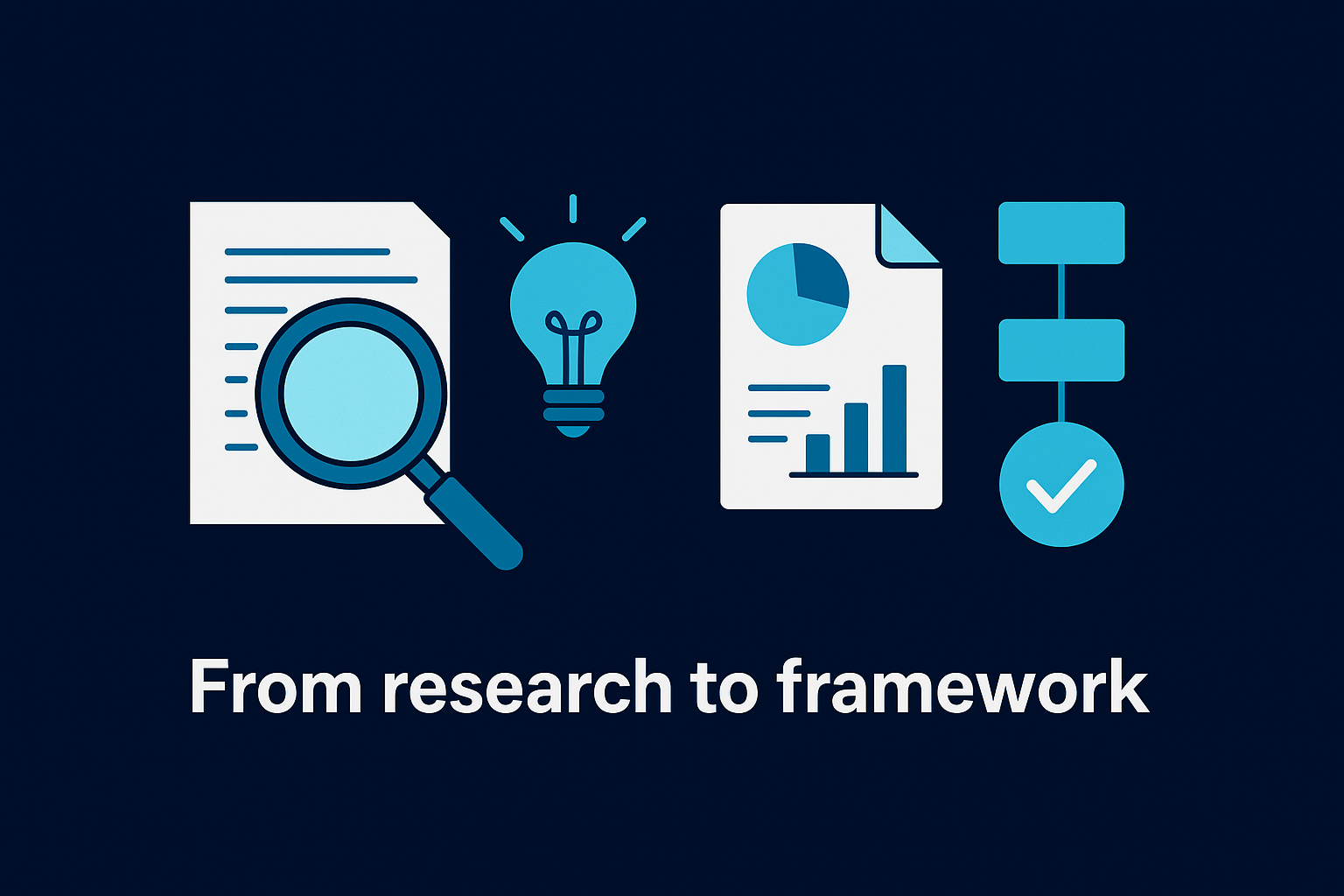
The positioning framework is not a creative exercise. It is a strategic decision based on where market demand meets your genuine capability.
This phase involves real collaboration. You need to pressure-test the recommended position against your sales experience, your product roadmap, and the feedback you hear from customers regularly. The best agencies treat this as a working session, not a presentation.
Handoff and activation
The final phase is delivery and activation. You receive the core documents outlined earlier, and the agency walks your team through how to apply them. Some engagements include workshops or training sessions to make sure the messaging framework actually transfers into daily use rather than sitting in a folder no one opens.
How to choose the right positioning partner
Not every agency that offers brand positioning services delivers the same quality of strategic thinking. Some firms are primarily design studios that added a strategy phase to justify higher fees. Others specialize in positioning but work exclusively with enterprise clients and have little experience with the specific challenges founders or mid-size business owners face. Knowing how to filter quickly saves you from expensive, time-consuming engagements that produce generic work.
Look for process transparency, not just case studies
A good positioning partner should walk you through exactly how they work before you sign anything. Ask them to describe their discovery process, how they conduct customer research, and how they validate a recommended position against competitive data. If the answer is vague or leans heavily on intuition and "years of experience," that's a warning signal.
The best positioning firms can show you a repeatable methodology, not just a portfolio of brands they've worked with.
Case studies matter, but they only tell you what the deliverables looked like, not how the firm thinks. Ask for the strategic rationale behind a past positioning decision, not just the finished brand book. That conversation tells you far more about their actual capability than any pitch deck they send over.
Evaluate fit based on your stage and category
A firm that specializes in consumer packaged goods positioning is not automatically a good fit for a B2B founder building category authority. Positioning strategy is context-dependent, and frameworks that work in one market don't always translate cleanly to another. Look for a partner with direct experience in your category or at least with your specific customer type.
Your business stage matters too. Early-stage companies need positioning work that can flex as the product evolves. Established businesses need a partner who can work within existing brand equity rather than starting from scratch. Ask directly how they adapt their process based on where a client is in their growth trajectory and what tradeoffs they recommend at each stage. A partner who gives you the same answer regardless of context is not the right fit for your specific situation.
Pricing, timelines, and what affects scope
Brand positioning services range widely in cost depending on who delivers the work, how deep the research goes, and the size of your organization. Entry-level engagements with solo strategists often start around $5,000 to $15,000 and cover the core deliverables: a positioning statement, a basic competitive audit, and a messaging framework. Agency-led engagements with larger teams, primary customer research, and full workshop facilitation typically run $25,000 to $75,000 or more. What you pay reflects the depth of research, not just the thickness of the final document.
The most expensive part of positioning work is not the strategy itself. It's the cost of executing on the wrong position for a year before you correct it.
What scope typically determines cost
The primary driver of cost is research scope. If the engagement includes original customer interviews conducted by the agency, the price rises because that work takes real time and skilled facilitation. If you come in with strong existing customer data, win/loss interview notes, or prior research, you can reduce that portion of the scope without sacrificing output quality. The number of audience segments you need to cover also expands scope quickly. A business with one core customer profile requires far less synthesis work than a platform serving three distinct buyer types with different jobs to be done.
Deliverable depth adds cost too. A full brand voice guide, extended messaging frameworks for multiple channels, or additional workshops for your sales or content teams all extend the timeline and the invoice. Be specific about what you actually need before you review a proposal, because most agencies will scope to what you ask for, not what you need.
What a realistic timeline looks like
Most professional positioning engagements run six to twelve weeks from kickoff to final delivery. Discovery and research typically take three to four weeks. Synthesis and framework development take another two to three weeks. Review cycles, revisions, and the final handoff fill the remaining time. If an agency promises a complete positioning strategy in two weeks, they're skipping research, and that shortcut produces generic output. Build in time for your team to review drafts seriously, because rushed feedback loops produce a position that doesn't survive first contact with your actual market.
Next steps
You now have a clear picture of what brand positioning services actually deliver, how the process works, and what to look for when choosing a partner. The next move is straightforward: start by auditing how consistently your team describes your company today. If you get different answers from different people, that's your signal that positioning work belongs at the top of your priority list, not somewhere below the next campaign.
Once your position is defined and documented, the next challenge is distributing it at scale. Content is the channel that turns a strong position into market authority, but only when the underlying message is clear and the production system behind it is built to perform. If you want to see how a data-driven content system can put your positioning to work, get your free social media strategy from SocialRevver and find out exactly where your brand stands.